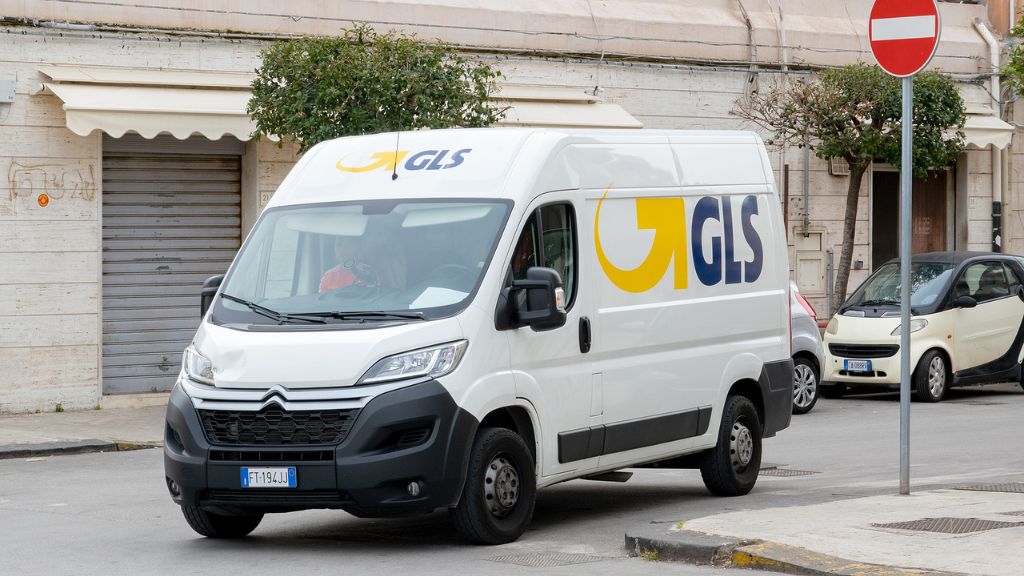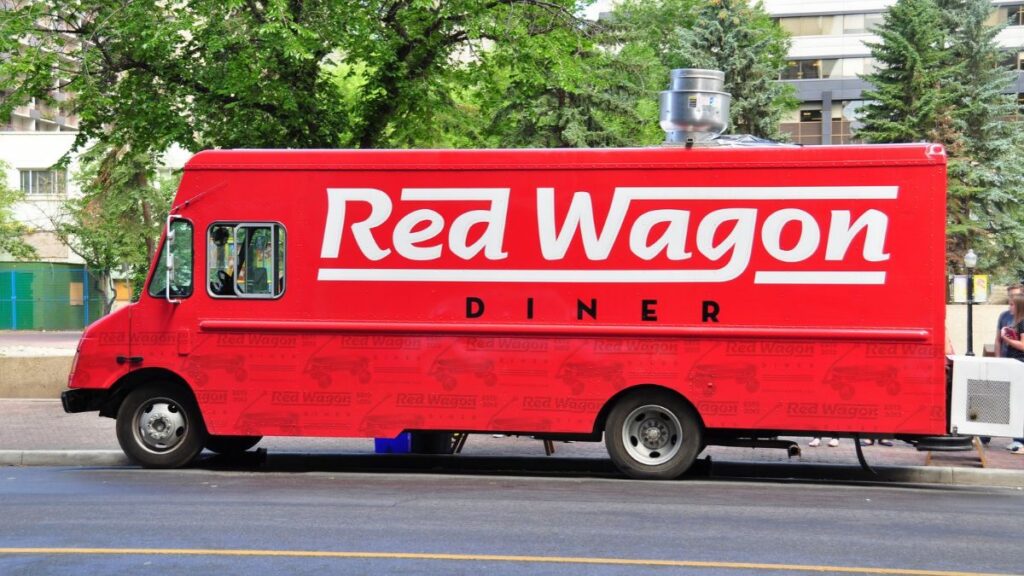
Branding a fleet with commercial vehicle wraps is one of the most effective ways to turn everyday operations into ongoing advertising. Every delivery, service call, or job site visit becomes an opportunity for exposure, often reaching thousands of potential customers without any added marketing spend. But wrapping a fleet is a bigger investment than a single vehicle, and it requires careful planning.
The Business Case For Fleet Wraps
Maximizing Exposure Per Vehicle
Each wrapped vehicle functions as a mobile billboard, reaching audiences that stationary signage simply can’t access. Fleet vehicles traveling through neighborhoods, parking at job sites, or sitting in traffic generate consistent impressions throughout the day. For businesses with multiple vehicles on the road regularly, this cumulative exposure can significantly outperform traditional advertising channels in terms of cost per impression, especially over the multi-year lifespan a quality wrap typically provides once properly installed and maintained.
Building A Consistent Brand Presence
When an entire fleet shares the same wrap design, it creates a cohesive, recognizable presence in the community. Customers begin associating the consistent colors, logo, and messaging with reliability and professionalism, since a uniform fleet suggests an organized, established business. This is particularly valuable for service-based businesses like contractors, HVAC companies, and delivery services, where seeing the same branded vehicles repeatedly around town builds familiarity and trust well before a customer ever makes direct contact.
Planning A Successful Fleet Wrap Project
Budgeting Across Multiple Vehicles
Fleet wraps require a different budgeting approach than single-vehicle projects, since costs scale with the number of vehicles, their size, and the extent of coverage chosen, whether that’s a full wrap or partial graphics. Businesses should get detailed quotes based on their specific fleet composition rather than estimating costs from a single vehicle. Planning the rollout in phases, wrapping a portion of the fleet at a time, can also help manage cash flow while still building toward full fleet branding over time.
Standardizing Design Across Vehicle Types
Fleets often include a mix of vehicle types and sizes, from vans to trucks to smaller sedans, which creates a design challenge in maintaining visual consistency. A successful wrap design needs to translate well across these different shapes without looking stretched, cramped, or inconsistent from one vehicle to the next. Working with a designer experienced in fleet branding helps ensure key elements, like logo placement and contact information, remain legible and proportionate regardless of the specific vehicle being wrapped.
Scheduling Installation Around Operations
Wrapping multiple vehicles takes time, and businesses need to plan installation schedules carefully to avoid disrupting daily operations. Staggering the wrap schedule, rather than pulling the entire fleet off the road simultaneously, helps maintain service continuity throughout the project. It’s worth discussing realistic timelines upfront with your sign provider, including how many vehicles can be wrapped per week, so operations teams can plan routes and coverage accordingly during the transition period.
FAQs
1. How Long Do Commercial Vehicle Wraps Typically Last?
Quality vinyl wraps generally last three to five years with proper care, though sun exposure and washing frequency can affect their lifespan.
2. Is It Better To Wrap The Whole Fleet At Once Or In Phases?
Phasing installation across weeks or months often works better for larger fleets, minimizing operational disruption while managing project costs more gradually.
3. Will A Vehicle Wrap Damage The Paint Underneath?
No, quality vinyl wraps actually protect the original paint from UV exposure and minor scratches, and typically leave no residue when removed properly.
4. Can Different Vehicle Types Use The Same Wrap Design?
Yes, but designs need adjustment for each vehicle’s shape and dimensions to maintain consistent branding and legibility across the fleet.
5. How Much Does A Full Fleet Wrap Typically Cost?
Costs depend on vehicle size, quantity, and coverage extent, so requesting a fleet-specific quote provides the most accurate budgeting information.
A well-planned fleet wrap turns your everyday vehicles into a powerful, ongoing marketing asset that builds recognition across your entire service area. With careful budgeting and design planning, the investment pays off through consistent, wide-reaching exposure.
Reach out to Epic Signs and Graphix at https://epicsignsandgraphix.com/ and let’s map out a wrap plan that fits your business.